22 Mid Century Modern Dining Room Ideas
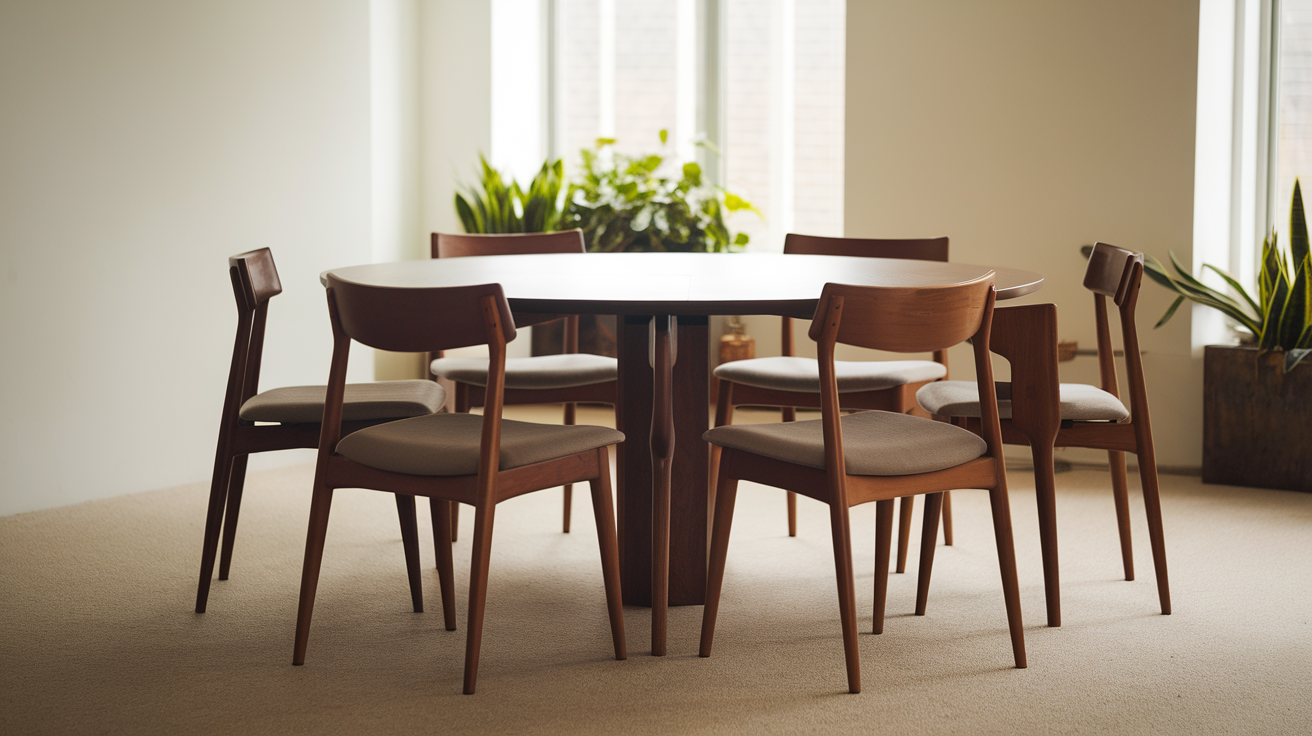
The dining room is more than a place to eat—it’s a space where stories are told, laughs are shared, and memories are made. If you’re leaning toward the mid-century modern style, you’re stepping into a design world that blends function, simplicity, and timeless elegance.
Born in the mid-20th century and still thriving today, this style is like that vintage vinyl record you can’t stop playing—it only gets better with time.
1. Choose a Statement Dining Table
The dining table is the heartbeat of the room. In a mid-century modern setup, look for clean lines, organic shapes, and tapered legs.
Oval or round tables are excellent because they soften the room’s geometry and invite conversation. For example, a walnut oval table instantly brings warmth while keeping that sleek aesthetic.
Statistics show that round tables increase social interaction by up to 40% compared to rectangular layouts because no one feels “at the edge.”
2. Embrace Tapered-Leg Chairs
You can spot mid-century modern chairs by their slender, angled legs. Think of the famous Eames molded plastic chair or Wishbone chairs. These aren’t just pretty—they’re comfortable and durable. Personal tip? Don’t mix all chairs alike.
Add two upholstered end chairs for comfort while keeping side chairs in classic wood for contrast.
3. Add a Sideboard or Credenza
A low-slung wooden credenza doubles as storage and style. It’s a signature piece that screams mid-century. You can store dining essentials like dishes, linens, and even board games for after-dinner fun.
Beyond function, its long horizontal profile gives balance to your room. In the 1950s, these pieces were a must-have, and today, vintage models often resell for $2,000–$5,000.
4. Incorporate Bold Lighting
No mid-century modern dining room is complete without a statement light fixture. A Sputnik chandelier, with its starburst design, is iconic. If that’s too bold for you, try a dome pendant light in brass or matte black.
Lighting is like jewelry—it can make or break the outfit. According to Houzz surveys, 65% of homeowners say lighting was the single biggest upgrade that changed the mood of their dining room.
5. Play With Warm Wood Tones
Mid-century modern design thrives on walnut, teak, and oak finishes. These woods bring natural warmth and contrast beautifully with neutral walls. Instead of going for a single-tone wood, don’t be afraid to layer different shades—just keep the undertones consistent (warm with warm, cool with cool).
6. Choose Neutral Backdrops
Walls in white, beige, or light gray create the perfect canvas for mid-century furniture. The idea isn’t to overwhelm the room but to let the furniture and accents shine. Think of it like setting the stage for the main actors. In my own dining area, switching from a bold wall color to a soft cream instantly made my walnut table pop.
7. Add Pops of Color
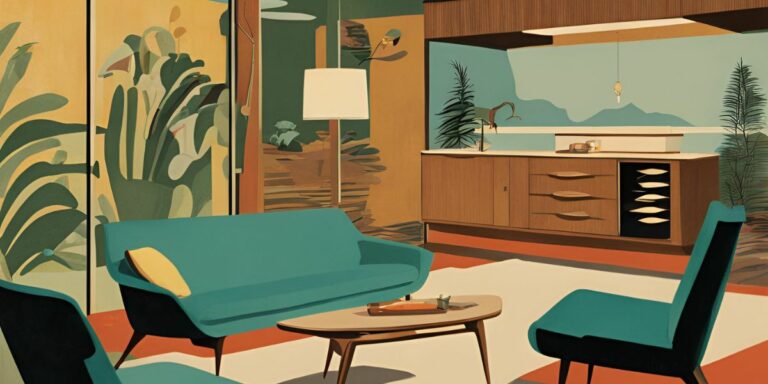
Mid-century modern style isn’t afraid of bold color accents. Mustard yellow, burnt orange, olive green, and turquoise are all classics. The trick is to use them sparingly—through chair cushions, artwork, or a rug.
Psychologists suggest that warm colors increase appetite and conversation, which is why many mid-century palettes leaned that way.
8. Use Geometric Rugs
A geometric patterned rug anchors the space and prevents your dining set from “floating” visually. Look for hexagons, diamonds, or abstract shapes in muted tones. Rugs also help with acoustics, absorbing sound in rooms that otherwise echo. A rule of thumb: your rug should extend at least 24 inches beyond the table so chairs don’t scrape the floor.
9. Showcase Minimalist Art
Mid-century modern art often features abstract forms, bold colors, and simple lines. A large canvas or a gallery wall with geometric prints can add character without overwhelming the space. When I hung a vintage-style print in my dining area, guests suddenly started asking about it—it became a conversation starter.
10. Mix Materials for Depth
Don’t limit yourself to just wood. Add glass, brass, leather, and even rattan for richness. For example, a walnut table paired with brass lighting and leather chairs instantly elevates the room. Layering materials gives the space depth without clutter.
11. Bring in Greenery
Plants were everywhere in mid-century homes. A fiddle leaf fig, snake plant, or monstera in a ceramic pot can add life and texture. Greenery not only looks good but also improves indoor air quality. NASA’s clean air study found that plants can remove up to 87% of toxins from the air within 24 hours.
12. Use Slim Shelving
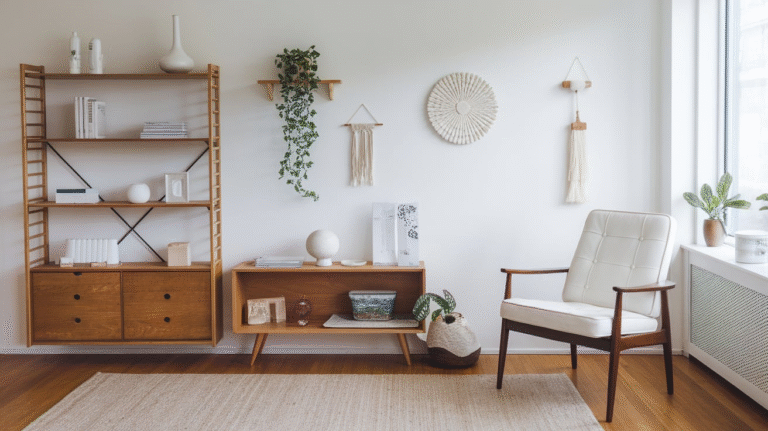
Floating shelves or slim wooden bookcases can house both functional and decorative items. You might store cookbooks, display ceramic vases, or even a retro radio. These shelves emphasize horizontal lines, which is a staple of the style.
13. Add Textured Fabrics
Dining rooms often feel “hard” because of all the wood and glass. Soften the look with velvet cushions, linen curtains, or woven table runners. Textures add coziness while staying true to the era. Remember: mid-century modern isn’t cold minimalism—it’s warm minimalism.
14. Keep Clutter Away
This style thrives on simplicity and functionality. Too many knickknacks can ruin the aesthetic. Use storage solutions like credenzas, baskets, and sleek cabinetry to tuck things away. The goal? Clean lines and open spaces where the eye can rest.
15. Incorporate Mirrors
Mirrors weren’t just for vanity—they were design tools in mid-century interiors. A round mirror with a thin brass or wooden frame can make your dining room look larger and brighter. Bonus tip: place it opposite a window to reflect natural light.
16. Play With Proportions
Not every piece has to be oversized. Pair a large dining table with slim chairs, or a big chandelier with minimalist art. Contrast creates balance. When I downsized my heavy chairs for slimmer ones, the whole room suddenly felt airier.
17. Choose Functional Accessories
Skip purely decorative clutter. Instead, use ceramic vases, sculptural candleholders, or wooden bowls that serve a purpose. even decorative items had a function. This mindset makes the dining room both stylish and practical.
18. Highlight Architectural Details
If your home already has exposed beams, brick walls, or large windows, play them up. These features naturally align with mid-century style. If not, you can mimic the effect with wood paneling or textured wallpaper. Architectural details give authenticity.
19. Integrate Vintage Finds
Flea markets, antique stores, and even online resale sites are goldmines for authentic mid-century pieces. A single vintage bar cart or retro wall clock can bring soul to your dining space. Fun fact: a genuine Eames chair recently sold for over $4,000 at auction.
20. Use Sliding Doors or Open Layouts
Mid-century design often blurred the line between indoors and outdoors. If possible, opt for sliding glass doors that open to a patio or garden. Even if you don’t have that luxury, keeping your dining room connected to the living area creates that open, airy vibe.
21. Choose Sleek Tableware
Your furniture sets the tone, but your dishes, glassware, and cutlery seal the deal. Go for stoneware plates, simple glass tumblers, and matte-finish flatware. These little touches make meals feel cohesive with the overall design.
22. Layer Lighting for Ambiance
Beyond the statement chandelier, add wall sconces, floor lamps, or even dimmable bulbs. Layered lighting allows you to set the mood—bright for family dinners, soft for late-night wine conversations. Studies show that lighting influences mood and appetite, making this step essential.
Conclusion on 22 Mid Century Modern Dining Room Ideas
Designing a mid-century modern dining room is like crafting the perfect recipe. You need the main ingredients—a sleek table, tapered chairs, a credenza—and the seasonings—bold lighting, pops of color, textured fabrics, and greenery. The beauty of this style lies in its balance of form and function. It’s stylish without being stuffy, warm without being cluttered, timeless without being dated.
If you adopt even a handful of these 22 ideas, you’ll create a dining room where guests linger longer, conversations flow easier, and every meal feels a little more special. Think of it as your own stage where design and daily life dance in harmony.