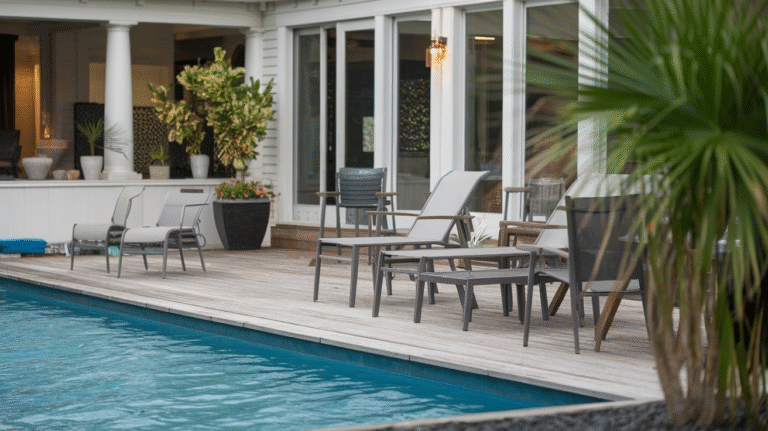
23 Organic Modern Dining Room Ideas

Creating an organic modern dining room isn’t just about filling a space with trendy chairs and a fancy table. It’s about weaving together natural textures, modern lines, and a sense of calm that feels timeless.
If you’ve ever walked into a room that just feels right—like a mix between a high-end design magazine spread and your grandmother’s cozy farmhouse—you’ve already tasted what organic modern style can do.
1. Choose a Solid Wood Dining Table as the Anchor
A dining table is like the campfire of your home—it’s where everyone gathers. For an organic modern room, solid wood tables reign supreme. Oak, walnut, and reclaimed teak bring warmth, while their natural grains add texture.
Pick clean, simple silhouettes. Forget the overly carved traditional pieces—here, modern lines matter. Think rectangular with rounded edges or a smooth oval.
2. Mix and Match Dining Chairs
Uniform dining chairs can feel too stiff. Try pairing a bench on one side with upholstered chairs on the other. Or go bold with wishbone chairs around a chunky oak table. Mixing textures (leather, rattan, linen) keeps the look organic.
Personal tip: when I swapped two chairs for a cushioned bench, my dinners lasted an hour longer. People just wanted to stay put.
3. Layer Natural Textures
An organic modern room thrives on texture over pattern. Add a jute rug underfoot, linen napkins on the table, and woven baskets nearby. Layering creates depth without feeling cluttered.
Stat to know: According to Architectural Digest, 54% of designers said texture layering is the most effective way to make minimalist interiors feel cozy.
4. Keep the Color Palette Neutral and Grounded
Organic modern design leans heavily on earth tones—beiges, whites, soft grays, and browns. These shades allow natural textures to shine. If you crave color, introduce it subtly through muted greens, clay reds, or deep blues.
Imagine your room as a landscape painting: the walls as sky, the table as land, and accents as foliage. This metaphor keeps things grounded—literally.
5. Add Statement Lighting With Natural Materials
Your lighting should do more than just prevent you from spearing your salad wrong. Consider pendants made from rattan, paper lanterns, or brushed brass fixtures. Large drum pendants or multiple glass globes hung low can create intimacy.
Pro tip: Install a dimmer. Dinner under soft lighting feels worlds apart from dinner under interrogation-level brightness.
6. Introduce Greenery in Every Corner
Plants are non-negotiable. Whether it’s a fiddle leaf fig in the corner, a vase of eucalyptus branches, or trailing pothos above a cabinet, greenery instantly brings organic energy.
NASA research found that plants improve air quality and reduce stress, making them functional and beautiful design elements. And honestly, who doesn’t feel calmer eating pasta with a fern nearby?
7. Balance Minimalism With Comfort
Modern design loves minimalism, but you don’t want your dining room to feel like an art gallery where guests are scared to spill wine. Balance is key: sleek furniture paired with cushions, throws, or upholstered seating keeps things human and livable.
Personal anecdote: I once visited a dining room so stark it felt like a museum. I spent the whole evening afraid to laugh too loudly. Don’t let that be your space.
8. Highlight Organic Shapes
Add pieces with soft, imperfect shapes—a live-edge table, round-backed chairs, or an irregular ceramic vase. These contrasts against clean modern lines create visual rhythm.
It’s like jazz music: structured, but with riffs that surprise you.
9. Use Sustainable Materials
Organic modern isn’t just a look—it’s a mindset. Prioritize eco-friendly materials: reclaimed wood, bamboo, stone, and recycled glass. Not only does it reduce environmental impact, but it also gives your dining room character.
Stat: The global sustainable furniture market is projected to hit $69 billion , showing how design is leaning toward conscious living.
10. Add a Rug That Grounds the Space
A dining rug should be durable, easy to clean, and textural. Jute, wool blends, or washable cotton are great picks. Rugs anchor the table visually, making the whole setup feel intentional.
Design rule: Your rug should extend at least 24 inches beyond the table so chairs don’t wobble off the edge.
11. Layer Art and Wall Decor Thoughtfully
Walls shouldn’t be an afterthought. Choose abstract art with earthy tones, black-and-white photography, or woven wall hangings. Floating shelves with ceramic bowls or handmade pottery can also double as décor.
Tip: Oversized art above a sideboard instantly modernizes without crowding the room.
12. Let Natural Light Do the Heavy Lifting
Nothing beats natural light bouncing across wood and linen. Keep windows uncluttered—opt for sheer curtains or bamboo shades. If privacy’s an issue, use layered treatments so light still filters through.
Research from Cornell University shows that workers exposed to natural light were 51% more alert—now imagine how much livelier your dinners will be.
13. Play With Contrast
Pair light oak tables with black metal chairs, or soft linen upholstery with a dark walnut sideboard. This tension between light and dark makes the room visually compelling.
Think yin and yang—but in dining furniture form.
14. Incorporate Handmade Pottery
Store-bought dishware often feels sterile. Handmade pottery—bowls, mugs, vases—adds an earthy, personal touch. No two pieces are identical, and that imperfection screams organic charm.
Imagine setting the table with plates that feel more like art than mass production. Guests notice these details.
15. Keep It Clutter-Free With Smart Storage
Organic modern thrives in clutter-free spaces. A sideboard or credenza can hide extra dishware, while woven baskets store napkins or placemats. Floating shelves display only the essentials.
Rule of thumb: if you haven’t used it in six months, it doesn’t need to live in your dining room.
16. Add a Sculptural Centerpiece
A single statement centerpiece can carry the table: a large ceramic bowl with seasonal fruit, a cluster of pillar candles, or a vase of branches.
Don’t overthink it—simplicity beats over-styling.
17. Integrate Stone Elements
Stone countertops, a marble lazy Susan, or even slate coasters add grounding. Stone feels timeless and pairs beautifully with wood.
Stat: Natural stone has a lifespan of over 100 years, making it not just stylish but a smart long-term investment.
18. Use Layered Lighting
Instead of one overhead light, layer with wall sconces, floor lamps, and candles. This makes the room adaptable: bright for family dinners, moody for late-night wine.
Lighting = mood control. And who doesn’t want that superpower?
19. Add a Personal Touch With Vintage Finds
Organic modern isn’t sterile showroom style—it embraces character. Thrift a vintage sideboard, flea-market candlesticks, or old wooden bowls. These items bring history and storytelling to the room.
Personal anecdote: I picked up a battered ceramic pitcher at a yard sale for $5. It’s now the most commented-on item at my dinner parties.
20. Play With Scale
Mix oversized pendant lights with slim dining chairs, or pair a chunky farmhouse table with minimalist décor. Contrasts in scale prevent monotony.
Think of it like cooking: a pinch of salt makes the sweetness stand out.
21. Incorporate Subtle Technology
Yes, organic modern is about simplicity—but don’t ignore tech. A Bluetooth speaker hidden in a wooden cabinet or smart dimmable lighting can blend seamlessly while enhancing the atmosphere.
Tech should serve the vibe, not dominate it.
22. Create Flow With Open Concepts
If your dining room opens into the kitchen or living area, maintain flow with a consistent palette. A wood dining table that echoes the kitchen island or matching chairs and bar stools can tie everything together.
Design stat: 67% of new builds in the U.S. feature open floor plans, proving flow matters.
23. Curate a Seasonal Swap System
Keep a base design consistent but refresh with seasonal accents: linen table runners in summer, wool throws in winter, ceramic pumpkins in fall. This keeps the dining room alive without requiring a full makeover.
It’s like giving your dining room a wardrobe rotation—practical and stylish.
Conclusion on 23 Organic Modern Dining Room Ideas
Designing an organic modern dining room is about balance: clean modern lines softened with natural warmth, functionality infused with soul. From solid wood tables to seasonal refreshes, every idea here is about creating a space that doesn’t just look beautiful—it feels like home.
The truth is, dining rooms aren’t just for eating. They’re for storytelling, bonding, celebrating, even crying sometimes. By embracing organic modern style, you’re giving your dining room the power to hold all those moments gracefully.